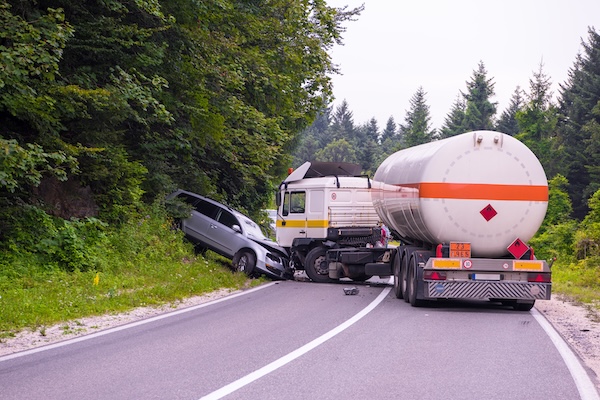
Navigating the Aftermath of a Crash in North Carolina
Understanding what happens after a roadway collision can make a meaningful difference in how individuals move forward. Across North Carolina—from Charlotte and Mecklenburg County to Raleigh in Wake County and coastal communities like Wilmington—many people are unfamiliar with how car accident claims work until they are suddenly faced with one. Knowing the general flow of the process helps injured individuals make informed decisions and avoid unnecessary setbacks.

One common misconception is that the auto insurance claim process is always straightforward or that accepting an early offer is the fastest way to resolve matters. In reality, claims often involve detailed reviews of medical records, statements, and liability factors. Misunderstandings about timelines, coverage limits, and documentation requirements can complicate accident injury recovery, especially after collisions on major routes such as I-40, I-85, or U.S. Highway 74.
North Carolina Car Accident Lawyers help clients across the state—from Asheville neighborhoods near Tunnel Road to Durham and Fayetteville—by clarifying rights, managing communications with insurers, and pursuing appropriate financial compensation. With experienced guidance, individuals can focus on healing while their claim is handled with care, accuracy, and a clear understanding of North Carolina law.
Understanding What a Car Accident Claim Involves in North Carolina
A car accident claim is a formal request for benefits or damages following a roadway collision, designed to address losses caused by another party’s negligence. In North Carolina, these claims often arise after incidents on busy corridors like I-77 near Statesville, I-440 around Raleigh, or local roads throughout Cabarrus and Gaston counties. The primary purpose of car accident claims is to help injured individuals address medical costs, lost income, and other disruptions tied to accident injury recovery.
Many people first encounter the auto insurance claim process, which involves notifying an insurer, submitting documentation, and responding to coverage evaluations. Insurance claims are typically resolved through negotiations with carriers, while personal injury lawsuits move through the civil court system when disputes cannot be resolved informally. Understanding this distinction is important, particularly for those navigating recovery after crashes in communities such as Concord, High Point, or coastal areas near New Hanover County.
Legal action may become necessary when liability is disputed, damages are undervalued, or coverage limits create obstacles to fair financial compensation. North Carolina Car Accident Lawyers assist clients statewide by evaluating whether a claim can be resolved through insurance or whether litigation offers a more effective path forward.
Immediate Actions That Can Shape a North Carolina Claim
Taking thoughtful steps immediately after a collision can help protect both health and legal rights. Across North Carolina—whether an incident occurs on I-85 near Greensboro, along I-26 outside Asheville, or on local streets in communities such as Cary or Kannapolis—early decisions often influence how car accident claims progress. The actions outlined below support clarity, documentation, and a smoother auto insurance claim process while individuals focus on accident injury recovery.
Seeking Medical Attention Without Delay
Medical evaluation should be a priority after any roadway incident, even when injuries seem minor. Hospitals and urgent care facilities throughout Wake County, Buncombe County, and Mecklenburg County are equipped to identify injuries that may not appear immediately. Prompt treatment supports recovery and creates medical records that connect care to the incident, which can be important when seeking financial compensation later.
Contacting Law Enforcement and Requesting a Report
Calling local law enforcement helps ensure the collision is officially documented. Officers from city police departments or county sheriff’s offices—such as those serving Durham or Forsyth County—prepare reports that note roadway conditions, statements, and contributing factors. These records often play a key role in evaluating responsibility during the auto insurance claim process.
Documenting the Accident Scene
When it is safe to do so, documenting the scene can preserve valuable details. Photographs of vehicle positions, traffic signals, road markings, and nearby landmarks along roads like U.S. Highway 70 or NC-54 may later help clarify how events unfolded. Notes about weather, traffic flow, and time of day can also support accurate car accident claims.
Exchanging Information With Other Drivers
Exchanging contact, insurance, and vehicle information with other involved drivers is an essential step. This information allows claims to move forward efficiently and reduces delays during follow-up. North Carolina Car Accident Lawyers often emphasize careful documentation at this stage to support recovery efforts and help clients pursue appropriate financial compensation as they move ahead.
How Fault and Liability Are Determined in North Carolina
Fault plays a central role in how roadway injury matters are evaluated throughout North Carolina. Whether a collision occurs on I-40 near Winston-Salem, along I-95 in Robeson County, or on neighborhood roads in places like Apex or Rocky Mount, understanding how responsibility is assigned helps individuals better navigate car accident claims. North Carolina law applies specific standards that directly influence the auto insurance claim process and potential outcomes.
North Carolina’s Contributory Negligence Standard
North Carolina follows a contributory negligence rule, which can affect eligibility for recovery if an injured party is found even slightly at fault. This legal standard often becomes a focal point in claims arising from busy intersections in Charlotte or congested stretches of I-277. Because of this strict rule, insurers frequently examine every detail when evaluating liability, making careful documentation essential for supporting accident injury recovery.
How Fault Impacts the Ability to Recover Compensation
Fault determinations influence whether financial compensation may be available at all. If responsibility is disputed after a collision in areas such as Chapel Hill or along U.S. Highway 64, the outcome often depends on how convincingly fault is established. Understanding this relationship helps individuals approach the claims process with realistic expectations and an informed strategy.
The Role of Evidence in Liability Disputes
Strong evidence can clarify responsibility and counter unfair fault assertions. Police reports, witness statements, photographs, and roadway context all contribute to a clearer picture of what occurred. North Carolina Car Accident Lawyers assist clients statewide by gathering and presenting this information effectively, helping protect their rights and support fair resolution of car accident claims under North Carolina law.
Types of Compensation That May Be Available After a North Carolina Collision
Recovering from a roadway incident often involves more than physical healing. Throughout North Carolina—from Raleigh and Wake County to coastal communities near Brunswick County and inland cities like Hickory—individuals pursuing car accident claims may be eligible for different forms of recovery depending on the circumstances. Understanding the categories of compensation helps injured parties better evaluate their options during the auto insurance claim process and plan for ongoing accident injury recovery.
Medical expenses are commonly a primary concern. This may include emergency care, hospital stays, follow-up appointments, rehabilitation, and anticipated future treatment. Facilities serving areas such as Durham, Cary, and Chapel Hill frequently generate the medical documentation needed to support requests for financial compensation tied to injury-related care.
Lost wages may also be considered when injuries prevent a return to work. For individuals in counties like Forsyth or Union County, claims may account for missed income as well as reduced earning capacity if long-term limitations affect employment opportunities.
Compensation may also address physical discomfort and the broader impact injuries have on daily life. Additionally, property damage claims can help cover vehicle repair or replacement following collisions on roadways such as U.S. Highway 421 or I-74. North Carolina Car Accident Lawyers help clients evaluate these factors and pursue recovery aligned with North Carolina law.

Navigating Insurance Company Interactions After a North Carolina Collision
Communicating with insurance companies is often one of the most demanding aspects of moving forward after a roadway incident. Throughout North Carolina—from Charlotte and Mecklenburg County to communities in Alamance, Catawba, and Johnston counties—insurance carriers influence how car accident claims are reviewed, evaluated, and resolved. Having a clear understanding of this process can reduce stress and help individuals make informed decisions while prioritizing accident injury recovery.
Reporting the collision to insurers is usually one of the first required steps. This often involves contacting a personal insurance provider and, in some situations, the other driver’s carrier as well. Incidents occurring on major corridors such as I-85 near Gastonia, I-40 outside of Raleigh, or U.S. Highway 70 through Clayton may involve multiple parties and policies. Providing accurate basic information helps initiate the auto insurance claim process without unnecessary delays.
Insurers commonly request written or recorded statements, medical documentation, repair estimates, and proof of missed work. While these materials are part of standard claim evaluation, insurance adjusters may closely analyze details for reasons to minimize exposure. Seemingly routine questions can be used to challenge timelines, injury severity, or responsibility, potentially affecting available financial compensation.
It is also common for initial settlement offers to arrive quickly. These early offers are often calculated before the full scope of injuries, recovery time, or future needs becomes clear. Accepting an early resolution may limit options if additional treatment or complications arise later.
Evidence That Can Help Support a North Carolina Claim
Clear, well-organized evidence often plays a key role in how roadway injury matters are evaluated across North Carolina. Whether an incident occurs on I-440 around Raleigh, along I-26 near Hendersonville, or on local streets in communities such as Sanford or Lenoir, documentation helps establish what happened and how it affected those involved. Strong evidence can add clarity to car accident claims and support a smoother auto insurance claim process while individuals focus on accident injury recovery.
Medical records and billing statements are frequently central to a claim. Hospitals, clinics, and rehabilitation providers throughout counties like Guilford, Wake, and Buncombe generate treatment notes that connect injuries to the event and outline ongoing care needs. These records help demonstrate the extent of injuries and support requests for appropriate financial compensation.
Police and accident reports prepared by local law enforcement agencies often provide an objective summary of the scene. Reports from departments serving areas such as High Point, New Bern, or Cabarrus County may include diagrams, observations, and contributing factors that help clarify responsibility.
Witness statements can offer additional perspective, especially when third parties observed the collision on roadways like U.S. Highway 52 or NC-24. Photographs and video footage of vehicle damage, traffic controls, and surrounding conditions further preserve details that may fade over time. North Carolina Car Accident Lawyers help clients organize and present this evidence effectively to support their claims statewide.
Filing Deadlines and Time Limits That Affect North Carolina Claims
Time plays an important role in how roadway injury matters move forward under North Carolina law. From urban centers like Charlotte and Raleigh to smaller communities in Moore County or along the Outer Banks, individuals pursuing car accident claims must be aware of filing deadlines that can affect their ability to seek recovery. Understanding these limits helps protect options during the auto insurance claim process and supports smoother accident injury recovery.
North Carolina has a statute of limitations that sets a legal deadline for initiating personal injury actions related to motor vehicle collisions. In many situations, this time frame begins on the date of the incident, whether it occurred on I-95 near Wilson or along local roads in towns such as Kannapolis or Southern Pines. Missing this deadline can prevent a claim from moving forward, regardless of its underlying merits.
Certain exceptions and special circumstances may alter how deadlines are calculated. Cases involving minors, delayed discovery of injuries, or specific government-related claims can follow different timelines. These situations often require careful review to ensure compliance with applicable rules.
Acting promptly allows evidence to be preserved, witnesses to be contacted, and documentation to remain accessible. North Carolina Car Accident Lawyers assist clients statewide by tracking deadlines, evaluating timing concerns, and helping ensure claims are filed in accordance with North Carolina requirements while clients focus on recovery.
Common Missteps That Can Weaken a North Carolina Claim
After a roadway incident, even well-intentioned decisions can unintentionally create challenges. Across North Carolina—from Durham and Orange County to coastal towns like Morehead City and inland areas such as Salisbury—avoiding common missteps can help protect car accident claims and support a smoother auto insurance claim process. Awareness early on allows individuals to stay focused on accident injury recovery while preserving important options.
Delaying medical treatment is one of the most frequent issues. Waiting too long to seek care after a collision on roads like I-95 near Lumberton or U.S. Highway 17 can make it harder to connect injuries to the incident. Prompt evaluation helps ensure health concerns are addressed and properly documented.
Admitting fault at the scene or during early conversations with insurers can also complicate matters. Statements made in stressful moments may be misunderstood or used to limit financial compensation, even when responsibility is unclear.
Social media activity presents another risk. Posts, photos, or comments shared online from anywhere in North Carolina—from Boone to Greenville—may be reviewed by insurers and taken out of context.
Finally, settling too quickly can limit future options. Early offers may not account for ongoing treatment or long-term recovery needs. North Carolina Car Accident Lawyers help clients recognize these risks and make informed decisions that support fair outcomes.
How Legal Guidance Can Support a North Carolina Claim
Having experienced legal support can make the claims process more manageable after a roadway incident. Throughout North Carolina—from Charlotte neighborhoods like South End to growing communities in Wake Forest and coastal areas near Carteret County—individuals navigating car accident claims often benefit from professional guidance at every stage of the auto insurance claim process. North Carolina Car Accident Lawyers focus on protecting clients’ interests while supporting accident injury recovery and fair outcomes.
A lawyer’s role often begins with a thorough review of how the collision occurred. This may include analyzing roadway layouts on corridors such as I-77, reviewing traffic patterns along U.S. Highway 64, and identifying contributing factors unique to the location. Careful investigation helps build a clear foundation for pursuing financial compensation.
Legal representation also supports accurate liability evaluation. Attorneys work to organize evidence, address disputed fault, and present a cohesive narrative that reflects the facts and North Carolina law.
Additional ways a car accident lawyer may help include:
- Gathering and preserving medical records, reports, and supporting documentation
- Managing communications and negotiations with insurance companies
- Evaluating settlement offers in light of current and future recovery needs
- Preparing the claim for litigation when resolution cannot be reached informally
If court involvement becomes necessary, having an advocate familiar with local courts—from Mecklenburg County to New Hanover County—can provide added confidence. North Carolina Car Accident Lawyers help clients statewide move forward with clarity, preparation, and a focus on long-term stability.
Why Clients Across North Carolina Turn to Dedicated Legal Representation
Choosing the right legal team can make a meaningful difference after a roadway incident. Across North Carolina—from Charlotte and Mecklenburg County to coastal communities in Brunswick County and mountain towns near Watauga County—clients seek guidance from professionals who understand how car accident claims are evaluated under state law. North Carolina Car Accident Lawyers provide experience, local insight, and a client-centered approach designed to support accident injury recovery from start to finish.
Experience with complex cases allows attorneys to address challenges such as disputed liability, multi-vehicle collisions, and serious injuries. Crashes on heavily traveled routes like I-40 near Greensboro or I-95 outside Fayetteville often involve layered insurance and factual issues that benefit from seasoned analysis during the auto insurance claim process.
A strong understanding of North Carolina law is especially important given the state’s unique legal standards. Familiarity with local courts and procedures—from Wake County to Buncombe County—helps ensure claims are handled efficiently and accurately.
Clients also value representation that prioritizes communication and individualized attention. North Carolina Car Accident Lawyers focus on understanding each client’s circumstances and goals while remaining committed to pursuing appropriate financial compensation aligned with both immediate and long-term needs.
Taking the Right Steps Toward Recovery and Resolution in North Carolina
Successfully moving forward after a roadway collision often depends on understanding the key steps involved and acting with intention. Across North Carolina—from Charlotte and Mecklenburg County to Raleigh, Wake County, and coastal communities near Onslow County—individuals navigating car accident claims benefit from knowing what to expect at each stage. Seeking timely medical care, documenting the incident, understanding fault rules, and gathering evidence all contribute to a smoother auto insurance claim process and more effective accident injury recovery.

Early awareness also helps avoid common pitfalls that can affect financial compensation. Delays in treatment, incomplete documentation, or missteps when dealing with insurers can create unnecessary obstacles. Whether a collision occurs on I-85 near Concord, I-40 outside Winston-Salem, or local roads in towns like Holly Springs or Goldsboro, informed decision-making supports stronger outcomes and long-term stability.
Because North Carolina law places strict requirements on fault and timing, seeking legal guidance early can be especially valuable. North Carolina Car Accident Lawyers help clients understand their options, protect their rights, and pursue financial compensation aligned with both present needs and future recovery. If you or a loved one has been injured anywhere in the state, contact North Carolina Car Accident Lawyers today to schedule a consultation at 864-561-6247 and take the next confident step forward.