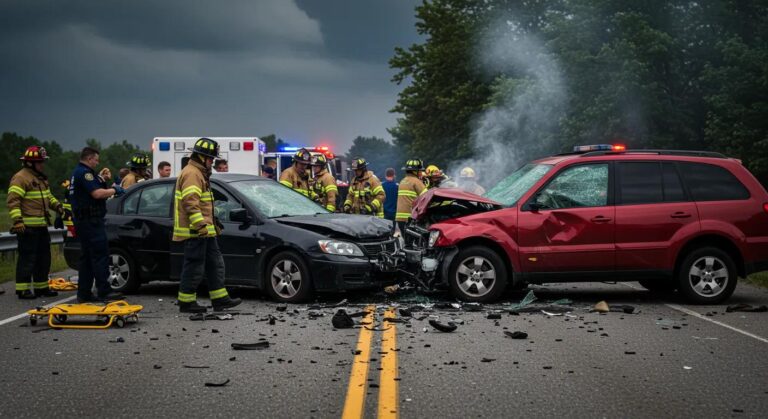
When a Spinal Cord Injury Changes Everything, Our Car Accident Lawyers Fight for You
At NC Car Accident Lawyers, we represent people injured in car accidents across North Carolina. Our team investigates every detail, gathers medical records and expert evidence, and negotiates directly with insurers to pursue maximum compensation. We handle claims for medical expenses, rehabilitation, lost income, and pain and suffering. You pay nothing unless we win your case. Our mission is simple: to help you recover, rebuild, and move forward with confidence.
Spinal cord injuries are among the most severe outcomes of car accidents in North Carolina. Spinal cord damage can disrupt the body’s ability to control movement, sensation, and essential functions. These injuries often lead to lasting physical, emotional, and financial challenges for victims and their families.
Understanding how spinal cord injuries happen, recognizing symptoms early, and seeking prompt medical and legal help can make a critical difference in recovery. A Raleigh car accident lawyer can help injured individuals pursue compensation and secure the care needed for long-term rehabilitation and stability.

Understanding Spinal Cord Injuries
A spinal cord injury happens when the spinal cord is damaged. The spinal cord carries signals between the brain and the rest of the body. When these nerve fibers are injured, the result can be partial or complete loss of motor or sensory function below the injury site. This loss may affect movement, sensation, bladder control, bowel function, and even blood pressure regulation.
Complete and Incomplete Spinal Cord Injuries
Doctors classify spinal cord injuries as complete or incomplete. A complete injury means total loss of function and sensation below the affected area. An incomplete injury means that some motor or sensory signals still pass through the damaged area. The level of injury, whether in the cervical, thoracic, or lumbar spine, determines which parts of the body are affected.
Common Types of Spinal Cord Damage
Car accidents often cause different types of spinal cord damage, including:
- Central cord syndrome: affects nerve fibers that control movement in the arms and hands.
- Anterior cord syndrome: damages the front of the spinal cord, leading to impaired motor function and loss of pain and temperature sensation.
- Cauda equina syndrome: affects the bundle of nerve roots at the lower end of the spinal canal and can cause bowel, bladder, and sexual function problems.
The Role of the Spinal Column and Nerves
The spinal column protects the spinal cord and its nerve roots. These spinal nerves exit through spaces between vertebrae to carry messages to the rest of the body. Damage to the cervical spine can lead to paralysis in the arms and legs. Injury to the thoracic or lumbar vertebrae may affect the chest muscles or lower body. Even a minor injury can lead to serious spinal cord trauma if not treated promptly.
How Car Accidents Cause Spinal Cord Injuries
During a car crash, sudden force or impact can compress, twist, or fracture the spinal column. This movement can bruise or sever spinal cord tissue, disrupt nerve cells, and limit blood flow to the spinal cord. Rear-end collisions, rollovers, and high-speed impacts are leading causes of spinal cord injuries in motor vehicle accidents.
Long-Term Impact
Spinal cord injuries can lead to temporary or permanent changes in how the nervous system functions. Many patients experience chronic pain, pressure sores, urinary tract infections, and blood clots. Recovery often requires spinal cord injury rehabilitation, including physical and occupational therapy.
Causes of Spinal Cord Injuries in Car Accidents
Spinal cord injuries in car accidents often occur when sudden impact or force damages the spine, spinal cord, or surrounding nerves. These injuries vary in severity depending on the type of crash and how the body absorbs the impact.
High-Impact Collisions
High-speed crashes are a leading cause of spinal cord trauma. When two vehicles collide head-on, the body experiences intense acceleration and deceleration forces. This can fracture the spinal column or compress the spinal cord. The cervical spine and thoracic nerves are especially at risk in these collisions, often resulting in paralysis or loss of motor and sensory function.
Rear-End and Side-Impact Accidents
Rear-end collisions can cause violent neck movement that injures the cervical spine. This type of back or neck injury may lead to conditions such as whiplash, central cord syndrome, or cervical spinal cord damage. Side-impact or T-bone crashes can twist the spine and injure the spinal nerves or nerve roots, disrupting communication between the brain and body.
Rollover Accidents
Rollover accidents create multiple points of impact that can crush or bend the spine in several directions. Occupants may experience spinal cord compression, broken vertebrae, or dislocation within the spinal canal. Even with seatbelts and airbags, rollover forces can lead to incomplete injury or complete spinal cord injury (SCI), depending on how the spine absorbs the impact.
Seatbelt and Airbag Forces
While seatbelts and airbags save lives, they can also contribute to spinal cord damage under certain conditions. A tight seatbelt across the abdomen or chest can put pressure on the spine during a high-speed collision. Improperly positioned airbags may increase strain on the cervical nerves or cause sudden neck hyperextension.
Secondary Injuries After Impact
Not all spinal cord injuries occur at the moment of collision. Secondary injuries can develop when swelling, bleeding, or reduced blood flow puts extra pressure on the spinal cord. These complications can lead to further spinal cord damage, nerve fiber death, or reduced motor and sensory function. Emergency spinal motion restriction and prompt medical treatment help relieve pressure and prevent permanent loss.
Other Contributing Factors
Some spinal cord injuries are worsened by pre-existing spinal conditions such as spinal stenosis or weakened vertebrae. Risk factors like poor posture, previous neck injury, or degenerative disc disease may increase the chance of spinal cord trauma during a crash. Even minor injuries can progress into serious spinal cord damage if not treated quickly.

Recognizing the Symptoms of a Spinal Cord Injury
Spinal cord injuries can cause symptoms ranging from mild discomfort to serious changes in movement and sensation. Some symptoms may appear immediately after a crash, while others can develop or become more noticeable over time. After a car accident, watch for changes in how you move, feel, or control your body, especially if you experience neck or back pain.
- Neck or back pain, pressure, or stiffness
- Numbness, tingling, or loss of sensation
- Weakness in the arms, hands, legs, or feet
- Difficulty walking, standing, or maintaining balance
- Loss of coordination or unusual clumsiness
- Muscle spasms or exaggerated reflexes
- Trouble controlling bladder or bowel movements
- Difficulty breathing
- Partial or complete paralysis
Seeking medical attention quickly after a car accident is important if you have any symptoms that could indicate a spinal cord injury. Doctors can identify the injury, begin appropriate treatment, and monitor for complications. If symptoms are severe, such as paralysis, significant weakness, difficulty breathing, or loss of bladder or bowel control, seek emergency medical care immediately. Even when symptoms seem minor, getting checked can help identify injuries that may not be obvious at first.
Diagnosis and Treatment
Accurate diagnosis and timely treatment of spinal cord injuries are essential to prevent further spinal cord damage and improve long-term recovery. Immediate medical attention helps reduce secondary injury and increases the chance of regaining motor and sensory function.
Diagnostic Evaluation
When doctors suspect a spinal cord injury, they begin with a detailed physical and neurological examination. They assess strength, reflexes, and sensory function to locate the level of injury along the spinal column. Imaging tests such as X-rays, CT scans, and MRI scans reveal fractures, dislocations, or compression of the spinal canal. These tools help identify whether the injury affects the cervical, thoracic, or lumbar spine and determine if there is bleeding or swelling around the spinal cord tissue.
Emergency Medical Care
Emergency responders use spinal motion restriction to prevent movement that could worsen spinal cord trauma. This may include neck collars or backboards to stabilize the spine. In the hospital, doctors focus on maintaining oxygen and blood pressure to keep the spinal cord supplied with blood. Intravenous fluids and medications are often given to reduce inflammation and relieve pressure on the spinal cord.
Surgical Treatment
Surgery is sometimes required to stabilize the spinal column and relieve pressure on the nerve roots or spinal nerves. Procedures may include removing bone fragments, repairing fractured vertebrae, or inserting metal rods or plates to keep the spine aligned. Surgery also helps prevent secondary injury caused by swelling or compression. The goal is to protect remaining nerve cells and preserve as much function as possible.
Rehabilitation and Recovery
After emergency care, spinal cord injury rehabilitation begins. This stage involves physical therapy, occupational therapy, and medical monitoring to restore movement and strength. Physical and occupational therapists help patients relearn daily activities and use assistive devices to maintain independence. Rehabilitation also addresses complications such as pressure sores, urinary tract infections, and muscle stiffness.
Ongoing Care and Complications
Recovery from a spinal cord injury requires long-term care and regular follow-up. Patients may experience blood clots, respiratory infections, and pressure injuries if mobility is limited. Managing bladder control, bowel function, and blood pressure becomes part of everyday life. Ongoing therapy focuses on improving functional recovery, preventing infections, and promoting adaptation to physical changes.

How Our Car Accident Lawyers Help People With Spinal Cord Injuries
Our car accident lawyers gather evidence to show how the crash happened and how it affected your life. This may include police reports, photographs, traffic camera footage, witness statements, medical records, and information about your treatment and prognosis. For a spinal cord injury, we also look at the need for ongoing medical care, rehabilitation, assistive equipment, and changes to your ability to work or handle daily activities.
Our lawyers negotiate with the insurance company for a fair settlement. We work to account for medical expenses, lost income, future care, and the physical and emotional effects of a spinal cord injury.
If the insurance company refuses to offer a reasonable settlement, our lawyers can file a lawsuit and take your case to court. Our goal is to pursue the compensation you deserve under North Carolina law.
Compensation for Spinal Injuries in Car Accident Claims
A spinal cord injury can affect your health, work, finances, and daily life long after the car accident. Our car accident lawyers document your losses using medical records, bills, employment information, expert opinions, and other evidence to build a clear picture of how the injury has affected you. We pursue the compensation you deserve based on both your current losses and the long-term impact.
A car accident claim for spinal injuries may include:
- Medical costs: Emergency care, hospital stays, surgery, medication, physical therapy, rehabilitation, and other necessary treatment.
- Lost income: Wages, salary, commissions, or other income you could not earn while recovering from your injuries.
- Reduced earning capacity: Lost future income if your spinal cord injury limits the work you can perform or prevents you from returning to your previous job.
- Pain and suffering: Physical pain and emotional distress from the injury
- Reduced quality of life: Changes to your mobility, independence, relationships, hobbies, and ability to enjoy everyday activities.
In some lawsuits, North Carolina courts may also award punitive damages when the at-fault driver’s actions were especially reckless. These damages are intended to punish particularly serious misconduct and discourage similar behavior. Whether they may apply depends on the specific facts and evidence in your case.
Contact an Experienced Raleigh Car Accident Attorney ASAP!
If you or a loved one has suffered spinal cord injuries in a car accident, do not wait. Our team at NC Car Accident Lawyers can fight for your rights. We collect evidence, negotiate for a settlement, and guide you through the legal process.
Contact us or call 864-561-6247 for a free case review today!