Injured in a Car Accident and Need Justice? NC Car Accident Lawyers Are Here To Help
After a car accident, the insurance company starts working immediately to limit what they pay. You’re dealing with pain, missed work, and medical bills, while adjusters look for ways to work against you. That’s why choosing the right car accident lawyer matters: you need car accident legal representation that protects your claim from day one and builds leverage for a higher recovery.
At NC Car Accident Lawyers, you get car accident legal help focused on evidence, liability, and full damages, not rushed claim settlements. We listen first, then build a legal strategy around your personal injuries, your timeline, and your goals. Contact us by calling 864-561-6247 and get the justice you deserve.

Why You Need Legal Representation After a Car Accident
Navigating the aftermath of a car accident without legal representation puts you at a significant disadvantage against insurance companies that prioritize profits over your recovery. An experienced car accident lawyer protects your rights and ensures you receive a fair settlement. Here’s why legal representation is essential:
Car Accident Lawyers Handle the Legal Complexities of Your Case
Car accident claims involve complicated legal procedures, strict deadlines, evidence preservation, and negotiations with multiple parties. A car accident lawyer manages these complexities so you can focus on healing.
An Experienced Car Accident Lawyer Fights for Maximum Compensation
Without legal expertise, you may not recognize the full value of your claim, including future medical costs, long-term disability, lost earning capacity, and non-economic damages like pain and suffering.
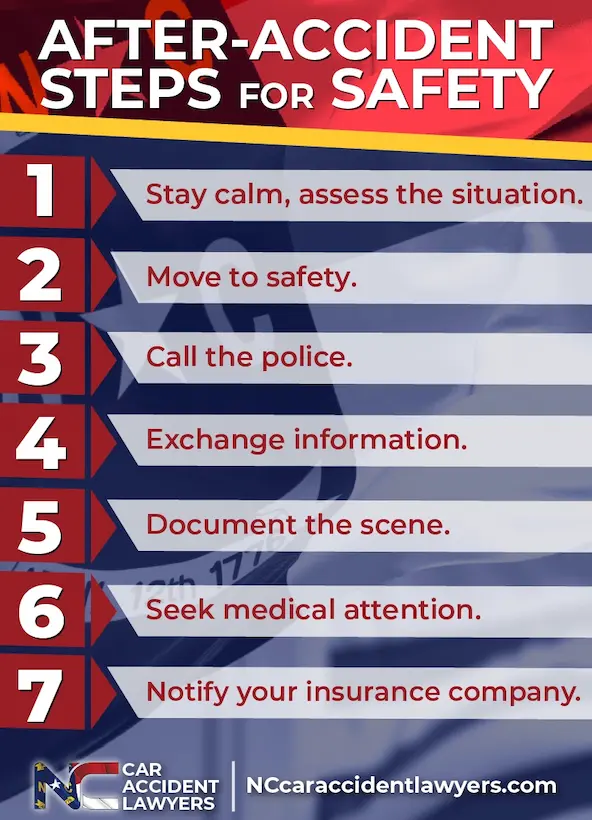
How a Car Accident Lawyer Builds Your Personal Injury Claim from Day One
A car accident lawyer serves as your advocate and protector throughout the entire claims process, handling the complex legal challenges while you focus on recovery. Here’s how an experienced car accident lawyer fights for your rights and maximizes your settlement:
Gathering Critical Evidence for Your Car Accident Claim
A car accident lawyer will conduct a thorough investigation of the accident, gathering critical evidence such as police reports, witness statements, and accident scene documentation to build the strongest possible legal case.
Handling Insurance Company Negotiations
Your lawyer will handle all communication and negotiations with insurance companies, protecting you from tactics designed to minimize your payout or shift blame onto you.
Receive Legal Guidance and Support from an Experienced Car Accident Lawyer
Throughout the process, your car accident lawyer provides guidance, answers your questions, and keeps you informed, giving you peace of mind during a difficult time. With an experienced lawyer on your side, you level the playing field against well-funded insurance companies and maximize your chances of securing the full settlement you need to move forward.
Types of Car Accident Cases Our Lawyers Handle in North Carolina
Car accident lawyers handle a wide range of collision types, each with unique legal challenges and liability considerations. Whether your accident involved another passenger vehicle, a commercial truck, or a pedestrian incident, experienced legal representation ensures your case is thoroughly investigated and aggressively pursued. Here are the types of car accident legal cases we handle:
- Rear-end collisions: Among the most common accidents, often caused by distracted driving, tailgating, or sudden stops. Even “minor” rear-end crashes can result in serious whiplash, back injuries, and long-term pain.
- Head-on collisions: Among the most catastrophic accidents, frequently resulting in severe injuries or fatalities. These cases often involve wrong-way drivers, impaired driving, or improper passing maneuvers.
- Side-impact (T-bone) collisions: Typically occur at intersections when a driver runs a red light or fails to yield. These accidents can cause devastating injuries due to the lack of protection on the side of a vehicle.
- Multi-vehicle pileups: Accidents involving multiple vehicles present complex liability issues, as fault may be shared among several drivers. Thorough investigation is essential to identify all responsible parties and insurance policies.
- Hit-and-run accidents: When a driver flees the scene, victims face unique challenges in recovering a settlement. Your lawyer can help you pursue claims through your own uninsured motorist coverage and work with authorities to locate the at-fault driver.
- Drunk driving accidents: Impaired drivers who cause crashes may face criminal charges, and victims can pursue civil claims for compensation. These cases may also qualify for punitive damages due to the driver’s reckless conduct.
- Distracted driving accidents: Texting, phone calls, eating, or other distractions behind the wheel cause thousands of preventable crashes. Your car accident lawyer will gather phone records, witness statements, and other evidence to prove distraction played a role.
- Intersection accidents: Crashes at intersections often involve disputes over right-of-way, red light violations, or failure to yield. Video footage, traffic signals, and witness testimony become critical in establishing fault.
- Highway and freeway accidents: High-speed collisions on highways result in more severe injuries and damages. These cases may involve multiple lanes of traffic, commercial vehicles, and complex accident reconstruction.
No matter what type of car accident you’ve experienced, a car accident lawyer will investigate your legal case, identify all liable parties, and fight for the maximum settlement available under North Carolina law.
Common Car Accident Injuries That Impact Your Personal Injury Settlement
Car accidents can result in a wide spectrum of injuries, from minor bruises to life-altering trauma that requires ongoing medical care. An experienced car accident lawyer understands that every injury visible or hidden impacts your physical health, emotional well-being, and financial stability. Your lawyer will thoroughly document all injuries to ensure your settlement reflects the full extent of your suffering and recovery needs. Here are the types of injuries commonly seen in car accident legal cases:
- Whiplash and soft tissue injuries: Neck and back strains caused by sudden impact forces. These injuries may not appear immediately but can lead to chronic pain, stiffness, and long-term mobility issues.
- Traumatic brain injuries (TBI): Concussions and more severe brain injuries resulting from head trauma. TBIs can cause cognitive impairment, memory loss, personality changes, and require extensive rehabilitation.
- Spinal cord injuries: Damage to the spine that can result in partial or complete paralysis, loss of sensation, and permanent disability requiring lifelong medical care and adaptive equipment.
- Broken bones and fractures: Arms, legs, ribs, hips, and other bone fractures that may require surgery, casting, physical therapy, and extended recovery periods affecting your ability to work.
- Internal injuries: Damage to organs, internal bleeding, or abdominal trauma that may not be immediately apparent but can be life-threatening without prompt medical attention.
- Lacerations and scarring: Cuts, gashes, and wounds from broken glass or metal that may require stitches, plastic surgery, and can leave permanent disfigurement affecting self-esteem and quality of life.
- Burns: Thermal injuries from fires or explosions, chemical burns, or friction burns requiring specialized treatment, skin grafts, and often resulting in permanent scarring.
- Psychological trauma: PTSD, anxiety, depression, and emotional distress stemming from the accident. Mental health injuries are just as compensable as physical injuries under North Carolina law.
- Herniated or bulging discs: Spinal disc injuries causing severe back pain, nerve damage, and mobility limitations that may require surgery or ongoing pain management.
- Crush injuries: Severe tissue, muscle, or bone damage from being trapped or compressed during the collision, potentially leading to amputation or permanent disability.
- Facial injuries: Damage to the face, jaw, teeth, or eyes that may require reconstructive surgery and result in permanent scarring or vision impairment.
- Wrongful death: In the most tragic cases, fatal injuries resulting in the loss of a loved one. Families can pursue wrongful death claims for funeral expenses, lost financial support, and loss of companionship.
Your car accident lawyer will work closely with experts to document the full extent of your injuries, calculate current and future treatment costs, and demonstrate how these injuries have impacted every aspect of your life. No injury is too minor to mention—even injuries that seem insignificant now may develop into serious conditions requiring a settlement.
Types of Damages a Car Accident Lawyer Can Help You Recover
A car accident lawyer can help you pursue comprehensive compensation for all the losses you’ve suffered. Here are the types of damages available in North Carolina car accident claims:
- Medical expenses: Costs for emergency care, hospitalization, surgery, diagnostic tests, medications, medical equipment, and all treatment related to your injuries.
- Future medical care: Anticipated costs for ongoing therapy, rehabilitation, future surgeries, long-term care, and any necessary medical equipment or home modifications.
- Lost wages: Income lost while recovering from injuries, including missed work days and time off for recovery
- Loss of earning capacity: Compensation if your injuries prevent you from returning to your previous job or reduce your future earning potential.
- Property damage: Costs to repair or replace your vehicle and any personal property damaged in the crash.
- Pain and suffering: Compensation for physical pain, discomfort, and limitations caused by your injuries.
- Punitive damages: In rare cases involving gross negligence or intentional misconduct, courts may award punitive damages to punish the at-fault party.
An experienced car accident lawyer will evaluate your legal case to identify all applicable damages and fight to maximize your compensation.
How Our Law Firm Determines the True Value of Your Car Accident Claim
Car accident claim values vary widely and depend on several factors unique to each legal case. Here are some key factors that influence the worth of a car accident settlement in North Carolina:
- Severity of injuries: The most significant factor is the extent and seriousness of your injuries. More severe injuries typically lead to higher compensation. Injuries that result in permanent disability or the need for ongoing medical care tend to have higher values.
- Liability: Establishing clear fault is crucial in North Carolina due to the state’s contributory negligence rule. The clearer the other driver’s fault, the stronger your claim will be.
- Insurance policy limits: The at-fault driver’s insurance coverage limits can cap the maximum amount you can recover, especially if they carry only minimum coverage.
- Strength of evidence: Documentation like police reports, witness statements, photos from the scene, and expert testimony directly impact your compensation potential.
- Negotiation skills: The effectiveness of your car accident lawyer and their negotiation skills can play a significant role in securing a fair settlement amount.
- Jurisdiction: Local court practices in North Carolina can significantly affect the claims process and potential settlement amounts. Understanding how local courts handle car accident cases is essential to building the strongest claim possible.
To get an accurate estimate of the value of your claim, schedule a consultation with an experienced car accident lawyer. We can assess your legal case and provide guidance based on the specifics of your situation.

Frequently Asked Questions About Car Accident Claims In North Carolina
Do I need a lawyer for a minor car accident?
Even “minor” accidents can result in delayed injuries or disputed liability. A lawyer can evaluate whether you have a claim worth pursuing and handle negotiations so you can focus on recovery.
How long do I have to file a car accident claim in North Carolina?
North Carolina has a three-year statute of limitations for personal injury claims from the date of the accident. Missing this deadline means you lose your right to seek compensation entirely. It’s advisable to act quickly—gathering evidence and building a strong legal case takes time. Contact a car accident lawyer early so they can guide you through the process and ensure your claim is filed within North Carolina’s legal time limits.
What are my options if the other driver was uninsured?
If the at-fault driver lacks insurance, you can still recover compensation through your own uninsured motorist (UM) coverage if you carry it. North Carolina requires all drivers to have liability insurance, but not everyone complies. Your uninsured motorist coverage is designed to protect you in these situations. A car accident lawyer can help you file the claim with your own insurer and advocate for the full compensation you deserve.
How long does it take to settle a car accident claim?
Settlement timelines vary widely depending on the complexity of the legal case, the severity of injuries, and the insurance company’s cooperation. Simple legal cases may settle in a few months, while complex cases involving serious injuries or disputed liability can take a year or more.
NC Car Accident Lawyers: Attorneys Ready To Get The Settlement You Deserve
When you’ve been injured in a car accident, you need dedicated advocates who understand North Carolina’s complex personal injury laws and will fight tirelessly for your rights. At NC Car Accident Lawyers, our attorneys handle every aspect of your legal case from gathering evidence and calculating damages to handling all negotiations. We work on a contingency fee basis, meaning you pay nothing upfront and we only get paid if we win your legal case.
Schedule a Free Legal Case Review of Your Car Accident Claim Today
Contact us today by calling 864-561-6247, or filling out our form for a free legal case review. Don’t accept less than you deserve. Let our car accident lawyers fight for the justice and financial recovery you need.

